If you are trying to choose between a newer subdivision and an established neighborhood in Elgin, you are not alone. It is a common question, especially if you want the right mix of budget, upkeep, space, and day-to-day convenience. The good news is that Elgin offers both options, and each one can fit different goals depending on how you want to live. Let’s dive in.
Elgin Gives You More Than One Path
Elgin offers a small-town lifestyle with access to larger-city amenities nearby, including Lawton and Fort Sill. The city also has local resources that many buyers care about, including a community library, four parks, a civic center, and Municipal Park on A Street.
That matters because your neighborhood choice is not only about the house itself. It is also about how you want to move through daily life, from your commute to nearby parks, schools, and local services.
What Newer Elgin Neighborhoods Often Offer
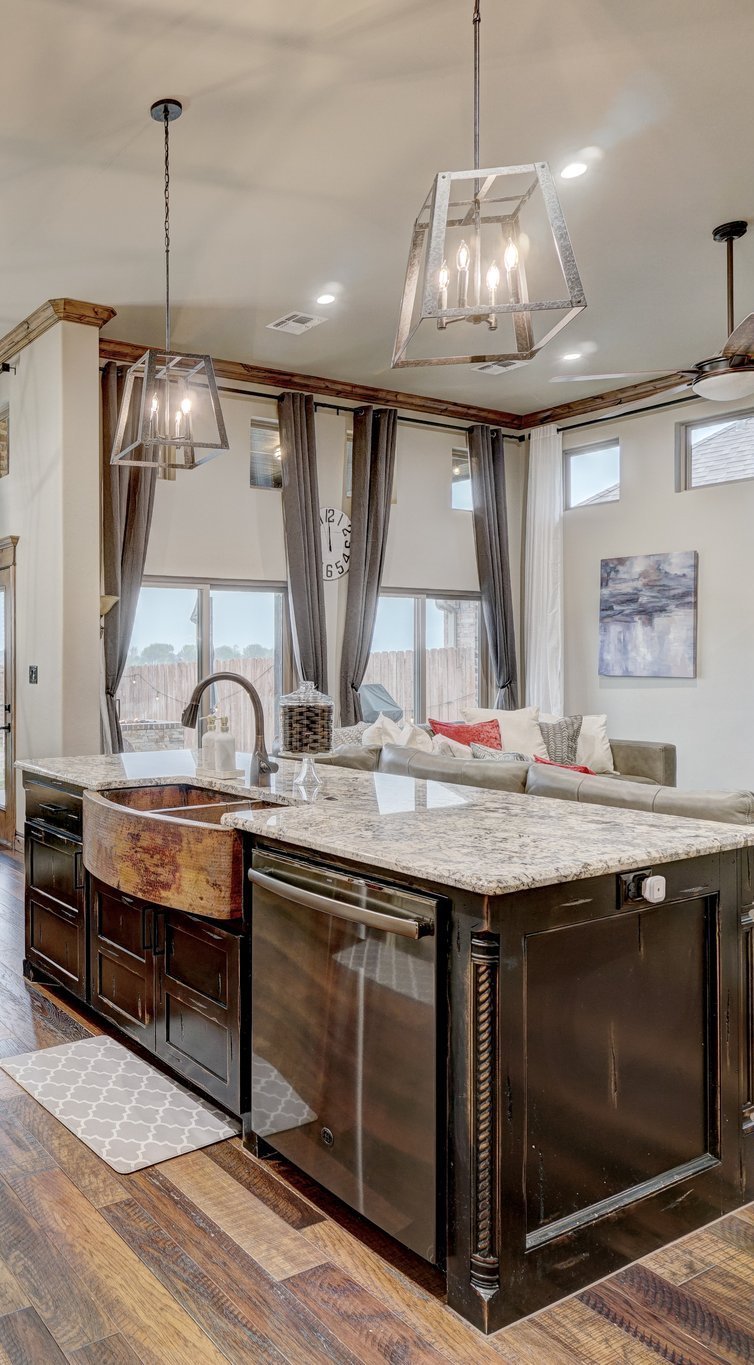
In current Elgin listing examples, newer subdivisions like Shadow Ridge Estates and Apple Creek Estates tend to feature larger homes, more open layouts, and more recent finishes. Sample homes included details like fireplaces, granite surfaces, attached multi-car garages, vaulted ceilings, and covered back porches.
Lot size can vary more than you might expect. In the reviewed examples, newer subdivision lots ranged from about 9,600 square feet to just over an acre, so it helps to compare the floor plan and the usable yard together instead of assuming every newer area is the same.
Newer homes may mean fewer updates
One big draw of newer construction is that you may have fewer near-term interior projects. If you prefer move-in-ready finishes and a layout that feels current, a newer area may check a lot of boxes.
That said, bigger homes and larger lots can also mean more yard work and more space to maintain. A home that feels perfect inside can still come with outdoor upkeep you will want to plan for.
Sample features in newer areas
Based on the reviewed listings, newer Elgin subdivision homes often include:
- Open-concept living spaces
- Attached two-car or three-car garages
- More recent construction dates
- Larger overall square footage
- Lot sizes that may range from modest to quite large
What Established Elgin Streets Often Offer
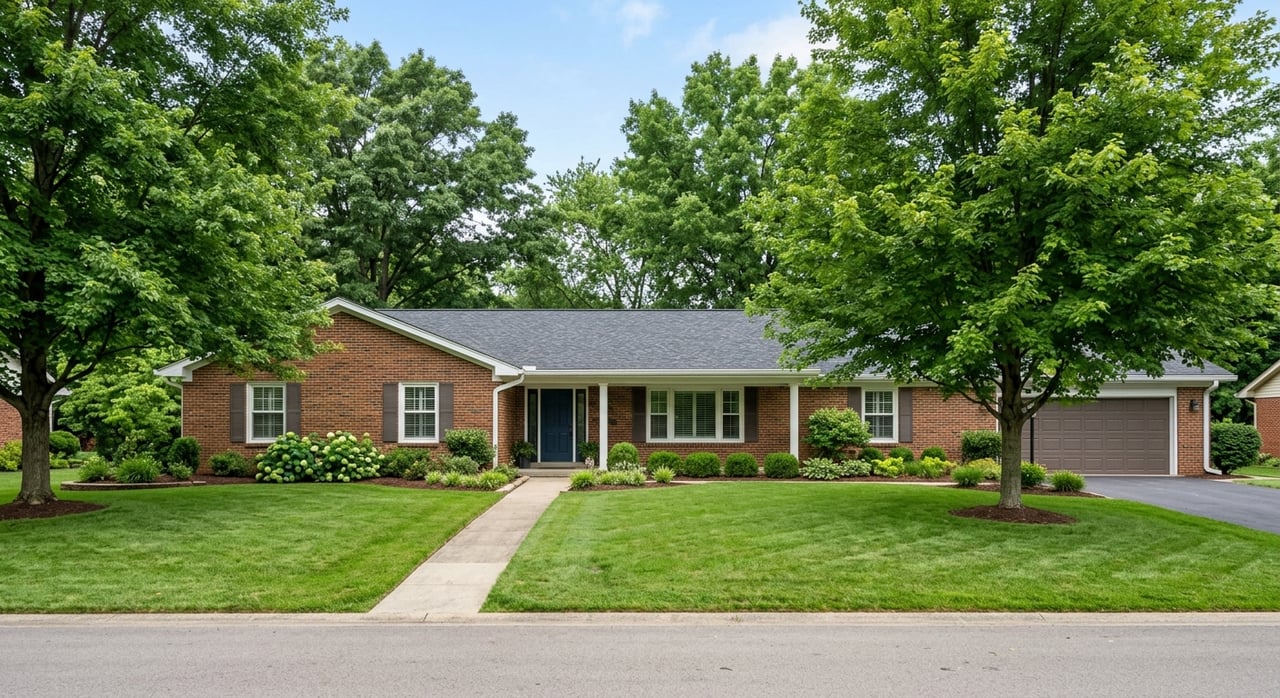
Older in-town Elgin streets show a different pattern. In the reviewed examples, homes built around 1960 to 1962 had more compact floor plans, smaller lots, and details like original hardwood floors.
These homes can appeal to buyers who want character, a simpler yard to mow, or a lower entry price. If your budget is a top priority, established areas may open up options that feel more approachable.
Established does not always mean all older homes
One important thing to know in Elgin is that older parts of town are not uniformly old. The listing sample also included newer infill construction on established streets, including homes built in 2025 and 2026.
That is a useful reminder not to judge a street by age alone. In Elgin, mixed-age blocks mean you can sometimes find a newer home in an older in-town setting.
Sample features in established areas
Based on the listing examples, established Elgin streets may offer:
- Smaller lots, often around 7,000 to 7,800 square feet in the sample
- More compact home sizes
- Older construction with visible age in materials or systems
- Character details such as hardwood floors
- Lower-maintenance yards compared with some larger-lot subdivisions
Budget Differences Can Be Significant
Your neighborhood choice in Elgin can shape your budget more than you might think. Current sample pricing showed established homes at very different price points from newer subdivision homes.
In the examples reviewed, 208 K St sold for $112,000 and 1105 4th Pl sold for $159,000. By comparison, 11 NE Summerwood Dr was listed at $279,000, Shadow Ridge examples were listed at $350,000, and 910 4th St was listed at $369,000.
These are only sample properties, not a full market average. Still, they show how home age, size, finishes, and lot type can push buyers into very different price ranges within the same town.
Compare Lifestyle, Not Just Age
It is easy to frame this decision as new versus old, but that can oversimplify things. A better question is how you want your home to function for your daily life.
If you want newer finishes, a larger garage, and an open layout, a newer subdivision may fit you better. If you want a smaller yard, lower entry cost, or a home with established in-town character, an older street may be the better match.
Questions to ask yourself
Before you narrow your search, think through a few practical points:
- Do you want a larger yard, or would you rather have less mowing?
- Are you comfortable taking on updates over time?
- Is a newer floor plan important to you?
- Do you want a lower starting price, even if the home may need future improvements?
- Would an established in-town location fit your routine better?
Verify HOA and Property Rules Carefully
In the reviewed Elgin listings, HOA dues were often shown as $0 or left blank in both newer subdivisions and established-street homes. Even so, you should not assume there are no neighborhood rules or recorded restrictions.
Oklahoma Real Estate Commission contract forms include a single-family homeowners association addendum covering assessments, restrictions, and governing documents. Oklahoma law also requires the title company to provide recorded covenants and restrictions at closing for properties in a real estate development.
What to confirm before you buy
Ask for clear answers on:
- Whether there are HOA dues
- Whether recorded covenants or restrictions apply
- Who enforces neighborhood rules
- Whether any special assessments exist
- Whether exterior changes require approval
These questions matter in both newer subdivisions and older platted areas. A neighborhood with no monthly fee can still have recorded restrictions that affect how you use the property.
Check Utilities and Lot Usability Property by Property
Another smart move is to verify utilities and access for each specific home. In the reviewed examples, many homes showed public water, public sewer, city-street frontage, or public-maintained roads.
Still, you do not want to assume utility setup based only on whether a home looks newer or older. Property-by-property verification is the safer approach.
Ask how the lot works in real life
Lot size on paper does not always tell the full story. A larger lot may include space that is less usable because of drainage, grading, or layout.
When you tour homes, ask how much of the yard is actually practical for play, pets, gardening, or outdoor living. That question can matter just as much as the square footage of the house.
Think About Location Within Elgin
Your choice may also come down to where you want to be within town. Elgin schools are located around Highway 17 and Mighty Owl Avenue, and the community library is at 108 Thoma Drive.
The city also maintains parks and public spaces, including Municipal Park on A Street. Depending on your routine, you may care about access to these spots as much as the home style itself, along with the commute toward Lawton or Fort Sill.
Practical Questions to Ask on Tour
As you compare newer and established options in Elgin, bring a short checklist with you. It will help you stay focused on facts instead of first impressions alone.
Use this touring checklist
- What year was the home built?
- Which major systems have already been replaced?
- If the home is newer, does any builder warranty still apply?
- How is drainage or grading handled on the lot?
- If the home is older, what is the age of the roof, HVAC, plumbing, electrical, windows, and insulation?
- Are there recorded covenants, HOA dues, architectural rules, or special assessments?
- How large is the lot, and how much of it is usable?
- How close is the property to schools, parks, the library, and your commute route?
The Best Choice Depends on Your Priorities
In Elgin, newer neighborhoods often emphasize larger floor plans, more current finishes, and roomier lots. Established streets often offer character, smaller yards, and lower entry prices.
Neither option is automatically better. The right fit comes from matching the property to your budget, your maintenance comfort level, and the way you want to live each day.
If you want help comparing neighborhoods, touring homes, and sorting through the details that matter most, The Wright Team is here to help you make a confident move in Elgin.
FAQs
What is the difference between newer and established neighborhoods in Elgin?
- Newer Elgin neighborhoods often feature more recent construction, open layouts, attached garages, and in some cases larger lots, while established in-town streets often include smaller lots, more compact homes, and older character.
Are homes in established Elgin neighborhoods always older?
- No. Current listing examples show that some established Elgin streets also include newer infill homes, so it is best to evaluate each property on its own merits.
Do newer Elgin subdivisions always have HOA fees?
- Not necessarily. In the reviewed listing examples, HOA dues were often shown as $0 or left blank, but you should still verify whether recorded covenants, restrictions, or assessments apply.
Are established Elgin homes usually less expensive?
- Sample pricing suggests established homes can offer lower entry prices, but values can vary based on size, condition, lot, and whether the property is older or newer infill.
What should buyers verify when touring Elgin homes?
- Buyers should confirm the home’s build year, system ages, any builder warranty, drainage or grading, utility service, lot usability, and whether any HOA rules, covenants, or special assessments apply.