Are you looking at a home in Cache and wondering if it could become a solid rental? In a small market, the answer usually depends less on flashy upgrades and more on practical details like layout, condition, location, and ongoing costs. If you want to make a smarter investment decision, this guide will help you evaluate a Cache home with rental demand, maintenance, and long-term performance in mind. Let’s dive in.
Understand Cache rental demand
Cache is a small city in Comanche County with a 2020 Census population of 2,930. That matters because small rental markets can behave differently than larger metro areas. A home that looks appealing at first glance still needs to match what local renters are actually looking for.
Fort Sill-related moves and local school boundaries can influence demand in this area. Cache Public Schools includes elementary, middle, and high school options within the district, and Fort Sill community resources also point households toward area schools and off-base housing options. That means school assignment and commute patterns may play a role when renters compare one home to another.
Housing supply also deserves a close look. Recent ACS data shows 1,377 housing units in Cache, with 1,248 occupied and 129 vacant, which works out to about a 9.4% vacancy rate. In practical terms, you should avoid relying on broad averages alone and focus on address-level rent comparisons instead.
Start with rent comp realism
Before you get too attached to a property, ask a simple question: What would this home realistically rent for right now? In a small market like Cache, rent potential can vary street by street and home by home.
A countywide average will not tell you enough. Instead, compare homes with similar bedroom count, bathroom count, lot type, parking, and overall condition. A three-bedroom house with a garage and durable finishes may compete very differently than a similar-sized home with awkward additions or limited parking.
This is also where local property management insight can be especially useful. For out-of-town buyers, help with rent comps, screening expectations, lease compliance, and maintenance planning can keep a promising purchase from turning into a difficult rental.
Focus on features renters notice first
When you evaluate a Cache home for rental potential, start with the features that tend to affect lease-up speed and turnover costs. In this market, practical function usually matters more than luxury finishes.
Layout and bedroom count
A straightforward layout is often the safest starting point. A 3-bedroom, 2-bath configuration or another flexible setup may appeal to a wider range of renters than a home with an unusual floor plan.
Pay attention to how the home flows from room to room. If additions feel awkward or furniture placement seems difficult, that can make the property harder to market and harder for tenants to live in day to day.
Storage, laundry, and parking
Usable storage, a dedicated laundry area, and secure off-street parking can make a real difference. These are everyday features that renters often care about because they affect convenience right away.
A garage can be especially helpful, whether for parking, weather protection, or extra storage. Even if the home is modest, practical function can strengthen its rental appeal.
Yard and exterior upkeep
A yard can be a plus, but easier usually wins. A fenced yard may add value if it fits the lot and street, but a property with complicated landscaping or drainage issues may create more cost than benefit.
As you walk the exterior, look for grading and gutters that move water away from the foundation. Drainage problems can become expensive fast and may also affect tenant satisfaction.
Check big-ticket systems carefully
A rental property's performance often comes down to the systems you cannot easily see in listing photos. Cosmetic updates are nice, but they should not distract you from the condition of the roof, HVAC, plumbing, and water heater.
In southwest Oklahoma, cooling performance deserves extra attention. Oklahoma’s 2024 state hazard mitigation plan says this region has the most days over 100 degrees in the state. That makes HVAC condition, insulation, and overall energy efficiency especially important when you estimate future operating costs.
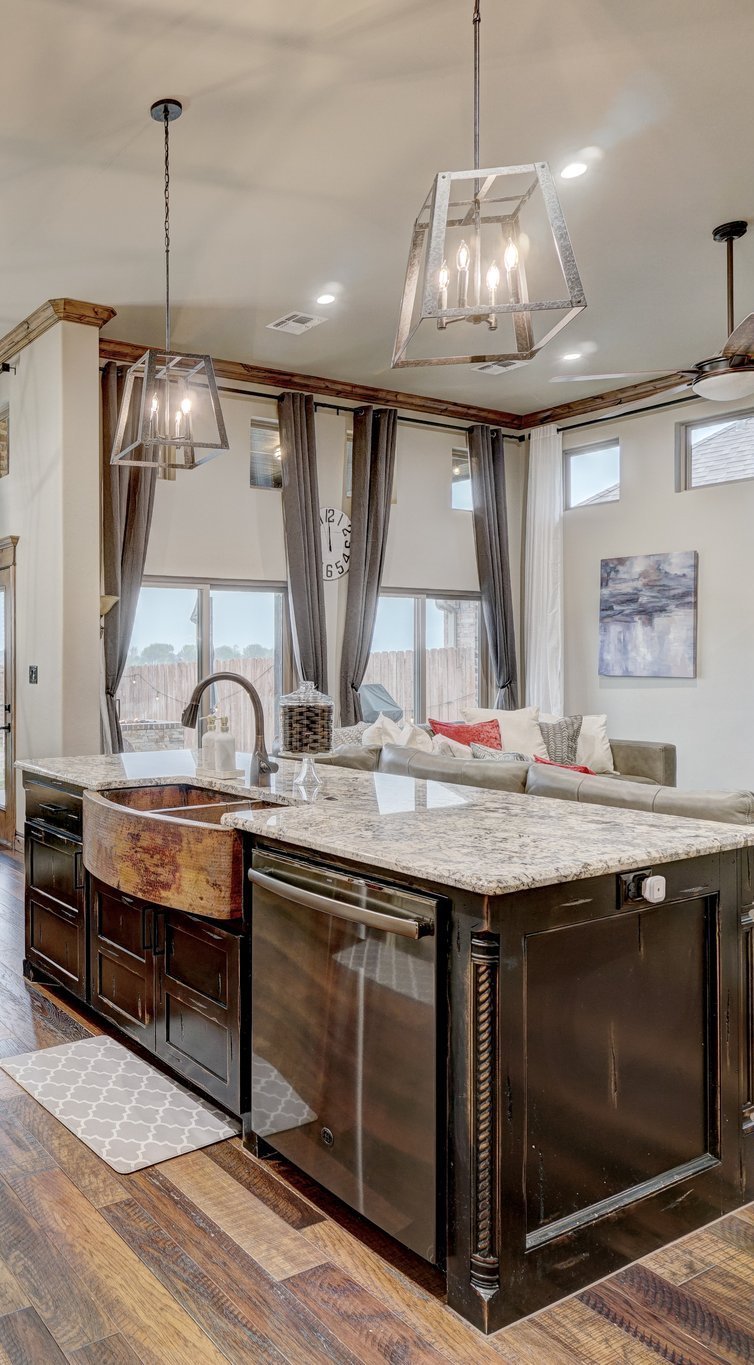
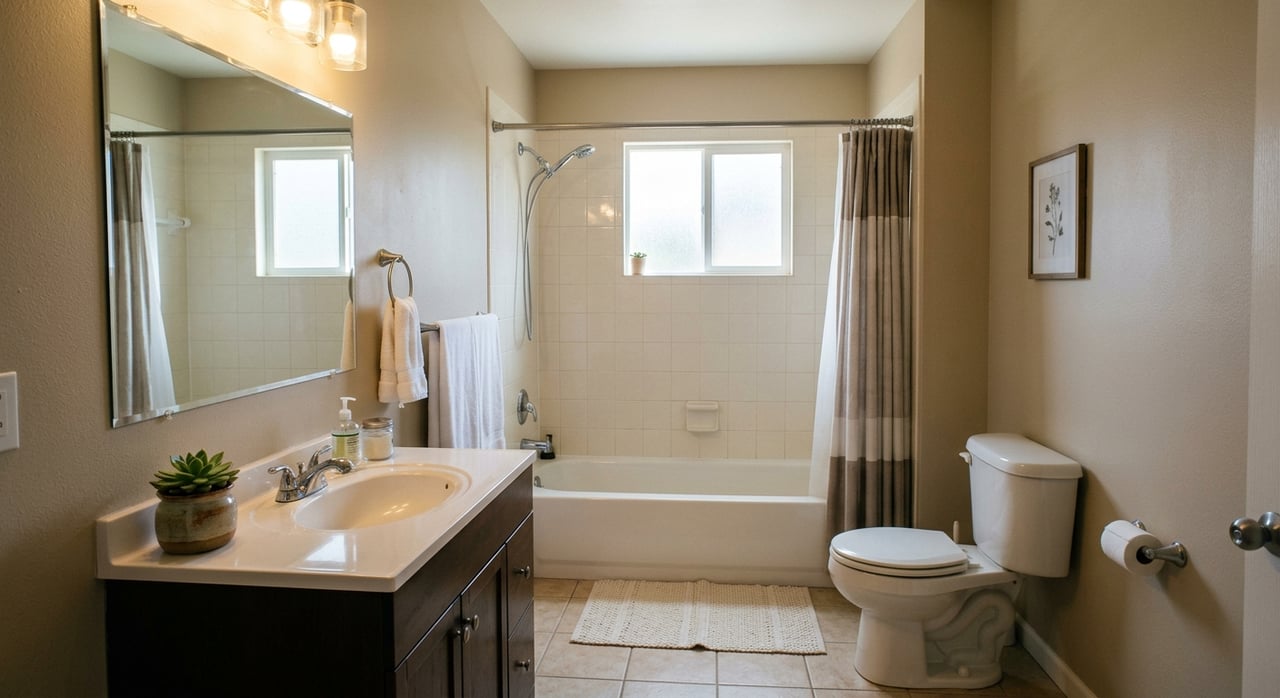
Durable flooring and neutral finishes can also help control turnover expenses. If the home already has materials that are easier to maintain, you may spend less between tenants and keep the property market-ready with fewer repairs.
Review the site beyond the house
A home can check the right boxes inside and still fall short as a rental because of site issues. That is why you should evaluate the street, lot, and access just as carefully as the kitchen or living room.
Look at lighting, street access, and how the home sits on the lot. Notice whether water appears to collect anywhere around the structure, driveway, or yard. If possible, ask whether there is any history of standing water or prior flood claims.
Flood risk is not something to gloss over. Oklahoma landlord-tenant law requires disclosure of flood or flooding problems in rental agreements, and the Oklahoma Water Resources Board directs buyers and owners to FEMA flood maps for flood-hazard verification. If a property has drainage or flood concerns, make sure you understand that risk before you buy.
Confirm the school assignment
If a home’s rental appeal may be tied to school boundaries, verify the assignment instead of assuming. Cache Public Schools states that students living in the district are automatically eligible for enrollment, so district location can matter for households comparing rental options.
Keep your evaluation factual and address-specific. Confirm which school zone the property falls into and avoid making broad assumptions based on nearby streets or subdivision names.
Estimate carry costs the right way
A home that rents quickly can still underperform if your monthly and annual costs are off. That is why you should review expenses on a parcel-by-parcel basis before making an offer.
Start with ad valorem taxes. In Comanche County, the Treasurer handles tax collection, and the County Assessor is the office to use for tax information. This step can help you avoid building your numbers around outdated or incomplete estimates.
You should also think about maintenance exposure. Older systems, poor drainage, weak cooling performance, and high-turnover finishes can all raise your operating costs over time. A home with a slightly higher purchase price but better systems may prove more stable than a cheaper home that needs constant repairs.
Know the Oklahoma landlord rules that affect planning
If you plan to hold the home as a rental, it helps to understand a few basic Oklahoma requirements before you buy. Title 41 covers rental agreements, termination, habitability, security deposits, and related landlord-tenant duties.
For example, under Section 41-115, security deposits must be held in an Oklahoma escrow account with a federally insured institution. Any balance due back is generally returned within 45 days after tenancy termination and written demand. Knowing rules like these can help you set up your rental process correctly from the start.
Watch for red flags during evaluation
Some issues should make you slow down and ask more questions. A home does not need to be perfect, but it should make business sense for your goals.
Common rental warning signs
- Awkward additions or floor plans that limit furniture placement
- Poor drainage, standing water, or signs of past moisture problems
- Older HVAC with weak cooling performance
- Limited parking or no secure off-street parking
- High-maintenance flooring or finishes that may wear quickly
- Unclear school assignment or location details
- Taxes or operating costs that are higher than expected for the rent range
If you notice more than one of these issues, run the numbers carefully before moving forward.
When local property management helps most
Some buyers want a hands-on rental. Others want a more predictable, low-touch setup. In either case, local property management can be especially valuable if you are buying from out of town or trying to compare several homes quickly.
In Cache, local insight can help with rent comps, tenant screening, vendor coordination, lease compliance, and quick verification of school-zone, flood, and maintenance issues. In a smaller market, that local knowledge can be the difference between buying a home that leases smoothly and buying one that sits vacant longer than expected.
A simple Cache rental checklist
If you want a practical way to screen a property, use this checklist during showings and due diligence.
What to verify before you buy
- Realistic rent comp based on similar nearby homes
- School assignment for the property address
- Roof, HVAC, plumbing, and water heater condition
- Insulation and cooling performance
- Garage or off-street parking
- Laundry setup and usable storage
- Yard maintenance needs and fencing, if any
- Gutters, grading, and drainage around the foundation
- Any history of standing water or flood concerns
- Parcel-specific tax information through county offices
- Whether the layout will appeal to a broad renter pool
A property does not need every feature on this list to work as a rental. The goal is to understand where the strengths are, where the risks are, and whether the expected rent supports the total cost of ownership.
If you are weighing a home in Cache for rental potential, the smartest move is to stay practical. Focus on local demand, verify the details that affect leasing, and pay close attention to systems, drainage, and carry costs. When you buy with a clear plan, you give yourself a better chance at steady performance and fewer surprises down the road.
If you want help evaluating homes in Cache or building a rental plan that fits the local market, connect with The Wright Team.
FAQs
How do you evaluate a Cache home for rental potential?
- Start with realistic local rent comps, then review the layout, parking, yard, major systems, drainage, school assignment, and parcel-specific carry costs.
What home features matter most for a rental in Cache?
- Practical features usually matter most, including a functional bedroom and bath count, usable storage, laundry, off-street parking, durable finishes, and a manageable yard.
Why is HVAC important for a Cache rental property?
- Southwest Oklahoma has the most days over 100 degrees in the state, so cooling performance, insulation, and HVAC condition can strongly affect tenant comfort and operating costs.
What flood issues should you check before buying a rental in Cache?
- Verify whether the property has any history of standing water or flood claims, inspect drainage around the lot, and confirm flood-hazard information before purchase.
How do property taxes affect rental potential in Cache?
- Taxes directly affect your carrying costs, so you should confirm parcel-specific tax information through Comanche County offices instead of relying on rough estimates.
When should you use property management for a Cache rental?
- Property management can be especially helpful if you are out of town or want support with rent comps, screening, maintenance coordination, lease compliance, and local market verification.